Buying commercial property for beginners: How to start
Contributed by Sarah Henseler
Updated Mar 6, 2026
•7-minute read

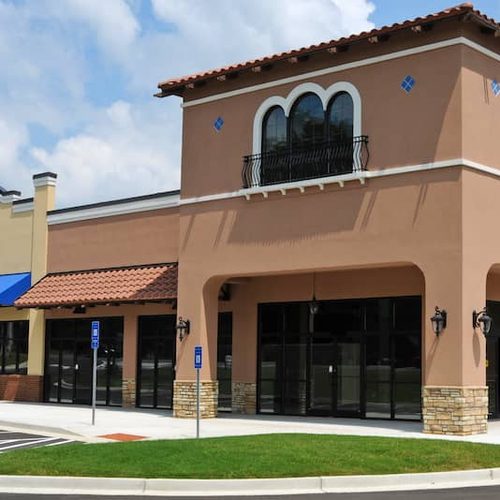
Learning how to buy commercial property can feel like a big step, especially when you’re just getting started. Many investors are drawn to the steady income, long-term appreciation, and diversification commercial real estate can offer. But the higher costs, stricter financing, and added responsibilities can take some getting used to.
This guide will walk you through the basics, from understanding what commercial real estate is to running the numbers on a potential deal. If you’re new to real estate, it may also help to review a general introduction to what real estate is and how it builds value over time.
What is commercial real estate?
Commercial real estate (often shortened to CRE) is property that is used primarily for business or income-generating purposes. Instead of being a home you live in, a commercial property is typically leased to tenants who operate a business, provide services, or rent units for housing.
Examples include:
- An office building where multiple companies rent suites
- A retail strip center with restaurants and shops
- An apartment community with dozens of rental units
- A warehouse used for storage, logistics, or light manufacturing
The appeal of commercial real estate is that it can offer higher rental income potential, longer leases, and different tax benefits compared to a single-family rental. At the same time, it usually requires more up-front capital, deeper market research, and a willingness to treat the investment as a business.
For beginners, getting started often means learning the language of commercial real estate, clarifying your investment goals, and deciding whether you want to be a hands-on owner or a more passive investor.
Types of commercial real estate
One of the easiest ways beginners can start investing in commercial property is through a commercial real estate investment trust (REIT). REITs allow you to buy shares in income-generating real estate rather than owning a building directly.
Once you’re familiar with indirect investing, it’s helpful to understand the main categories of commercial real estate:
- Multifamily: Multifamily properties include duplexes, triplexes, garden apartments, and assisted living facilities. Although they offer residential housing, many are treated as commercial properties depending on size and local laws.
- Office space: Office buildings can range from small professional suites to large multi-tenant high-rises. Medical offices, suburban office parks, and co-working spaces also fall under this category.
- Retail: Retail properties support businesses that sell goods or services, such as strip malls, standalone stores, and regional malls. They’re typically located in easily accessible, high-traffic areas.
- Industrial: Industrial properties are used for manufacturing, warehousing, research, production, and logistics. They vary dramatically in size and layout.
- Hospitality: This covers establishments that service travelers – whether for meals, accommodations, or entertainment – like hotels and short-term rentals.
- Land: Investors buy commercial land for development, storage, parking, or long-term appreciation.
- Special purpose: These properties serve a single use, such as self-storage facilities, amusement parks, religious buildings, or stadiums.
Property classifications
Commercial properties are often classified to indicate their condition and risk. Class A buildings are newer and in great locations. Class B properties are older but still solid, and many investors update them to boost value. Class C buildings are the most dated and need the most work, which lowers the price but raises the effort.
For more on how these classifications appear in multifamily housing and other asset types, explore our guides to multifamily homes and types of real estate investment.
Differences between commercial and residential properties
Both types involve owning property and collecting rent, but they work differently in practice.
Two key differences are:
- Tenant management: Residential tenants are individuals or families. Commercial tenants are businesses, so the relationship is more formal and often involves negotiation.
- Lease structures: Residential leases are usually 1 year, and owners cover most expenses. Commercial leases often run several years, and some (like triple-net leases) shift costs such as taxes or insurance to the tenant.
These differences can make commercial properties feel more stable, but also more complex to manage.
Pros and cons of investing in commercial real estate
Commercial real estate offers meaningful advantages.
Pros of commercial real estate investing
- Market growth: Many commercial sectors are expanding, creating long-term opportunities.
- Longer leases: Terms can run 3 – 10 years, which provides stable income.
- Lower turnover: Business tenants typically stay longer, reducing the risk of vacancy.
- Higher rent potential: Commercial spaces typically command higher rents.
- Triple-net options: Some tenants cover taxes, maintenance, and insurance.
- Flexible structures: Lease terms can be customized to your investment goals.
Cons of commercial real estate investing
There are also trade-offs.
- High up-front costs: Closing costs, down payments, and renovations are often substantial.
- More complex financing: Commercial loans typically have stricter criteria and shorter terms.
- Active oversight: Even with a manager, you’ll likely handle negotiations, repairs, and big upgrades.
- Market and tenant risk: Economic shifts or tenant changes can affect demand and property value.
- Re-tenanting costs: Updating a space for a new tenant can require expensive build-outs.
If you’re looking for more passive options, you may want to explore strategies like passive real estate investing or REITs alongside direct ownership.
How to get into commercial real estate
Getting started in commercial real estate takes planning. Costs are usually higher than for residential investing, financing is more complex, and commercial properties are often valued by the income they generate rather than by comparable sales, as with single-family homes.
1. Define your motivation
Begin by clarifying your goals. Buyers typically fall into two groups: those purchasing for personal use and those investing for income.
Buying commercial property for personal use
Owner-occupied commercial real estate (OOCRE) lets your business operate out of a property you own, which can build equity and offer tax advantages. The tradeoff is taking on full maintenance responsibilities and ensuring the property fits your long-term business needs.
Buying commercial property for investment purposes
Investors often choose commercial real estate for returns, tax benefits, and diversification. Common strategies include long-term holds, flips, and renovation projects.
2. Secure financing from a lender
Commercial mortgages usually have stricter requirements than residential loans. Lenders review your credit, the property’s income potential, and the loan-to-value ratio. Some loans also require collateral.
It helps to know the difference between recourse loans, which allow lenders to pursue personal assets if you default, and non-recourse loans, which limit liability to the property itself.
Common financing options include:
- FHA commercial loans
- SBA loans
- Bridge loans
- Hard money loans
Rocket Mortgage doesn’t offer commercial property financing. Learn more about general mortgage questions or how to get a loan to purchase land.
3. Hire a team of trusted professionals
Commercial deals are more complex than residential ones, so it helps to have an experienced team of real estate professionals guiding the process.
REALTOR®: A commercial agent researches properties, analyzes deals, and negotiates terms.
- Attorney: Protects your interests, reviews contracts, and helps you navigate local laws.
- Accountant: Manages budgets, tax planning, and financial reporting.
- Mortgage broker: Shops multiple lenders to help you find financing that fits your goals.
- Contractor: Oversees construction, repairs, and any build-outs the property needs.
- Property manager: Handles tenant relationships, rent collection, maintenance, and daily operations.
4. Find the perfect opportunity
Investors use many strategies when evaluating commercial real estate. Some common approaches include:
- Land banking: This is the process of purchasing and holding land. Investors do this to protect and grow their money, since it gets tied to a physical and fixed asset. They may sell the land or develop it in the future.
- Development: An investor purchases raw land to develop and build upon. The direction of growth, such as whether to establish condominiums or commercial properties, depends on zoning laws.
- Fix and flip: This strategy involves buying property, renovating it, and then reselling it for a profit. Investors usually purchase poorly maintained land at a discount.
- Wholesaling: Wholesaling is a short-term real estate investing strategy where the wholesaler buys a contract from a property seller, typically at a price below market value. Then, the wholesaler sells or assigns the contract to an interested buyer.
- BRRRR: This abbreviation stands for Buy, Rehab, Rent, Refinance, Repeat. This passive income strategy involves flipping a property to rent out to tenants. Once the owner pays the mortgage and builds equity, they can refinance to fund future real estate investments.
- Passive investing: This strategy is for investors who don’t want to be directly involved. Instead, they invest capital in a real estate deal through the stock market, crowdfunding, or partnering with a more active investor.
When evaluating opportunities, consider market trends, zoning and permitted uses, the building’s design and renovation needs, and local data on rental rates, vacancies, and growth potential.
5. Run the numbers
Due diligence is essential. Most investors use several valuation tools:
- Cost approach: The cost to rebuild the property.
- Market approach: The value, based on similar recent sales.
- Income capitalization approach: The estimated income you’ll receive from the property.
- Gross rent multiplier (GRM): The potential value based on the property’s price, divided by its gross income.
- Value per door: The value of a building, primarily an apartment building, based on the number of units it contains.
- Cash on cash return: A metric investors use to compare their annual cash flow with the amount of cash they originally invested.
Beginners should plan for cash reserves, insurance coverage, and routine property evaluations. Managing a commercial property can be time-consuming. Many investors hire property managers, especially if the asset is in another city.
6. Make an attractive offer
When you’re ready to move forward, your commercial REALTOR® and attorney can help you negotiate terms using a Letter of Intent (LOI) or a Purchase and Sale Agreement. Commercial contracts include more variables than residential agreements, so legal review is essential.
4. Find the perfect opportunity
Numerous factors come into play for commercial real estate investors looking for the right property.
Some things you may want to think about while searching include:
- Economic and industry trends
- Affordable leasing options
- Zoning laws and land use
- The property’s design
- Potential for growth
- Market data – like rental rates, vacancy rates and construction costs
5. Run the numbers
Due diligence plays a crucial role in real estate investing.
Before the actual purchase, you’ll want to evaluate the location and the real estate market. You’ll also want to compare multiple properties and assess the condition of the property you decide on.
There are a few formulas and tools you can use to estimate a property’s value. Some are:
- Cost approach: This is how much it would take to rebuild from scratch.
- Market approach: This is how much the property is worth based on other similar, recently sold properties.
- Income capitalization approach: This is the estimated income you’ll receive from the property.
- Gross rent multiplier (GRM): This is the potential value based on the property’s price, divided by its gross income.
- Value per door: This is the value of a building, primarily apartments, according to the number of units.
6. Make an attractive offer
After calculating potential costs and profit, you can make an offer. You can negotiate broad terms using a Letter of Intent (LOI) and more specific terms with a Purchase and Sale Agreement. An attorney can help you review your terms before finalization.
You may also want to think about asking an accountant for help. They’ll also review your terms and explain the tax consequences.
FAQ about buying commercial property
Here are answers to common questions people have when they start exploring commercial real estate.
Can I get a mortgage for commercial property?
Yes, commercial property can be financed with commercial mortgages or other loan types, though requirements are stricter than for residential loans. Lenders review your finances and the property’s income. Rocket Mortgage doesn’t offer commercial loans, but banks and specialized lenders do.
Is it better to buy or lease a commercial property?
It depends on your goals and resources. Leasing provides lower up-front costs and flexibility. Buying provides equity, long-term stability, and potential tax benefits, but requires more capital and responsibilities.
What are the ongoing expenses of commercial property?
Ongoing expenses may include property taxes, insurance, utilities, maintenance, repairs, property management, marketing, and reserves for major upgrades. Some lease types pass certain costs to tenants, so it’s important to review each lease carefully.
How much down payment do you need for a commercial property?
Down payment requirements depend on the lender and property type, but commercial loans often require 20% or more. Some SBA programs for eligible owner-occupied properties may allow lower down payments, though they come with additional qualifications and documentation.
The bottom line: Investing in commercial property can be worth it
Buying commercial property means choosing the right asset, securing financing, building the right team, and negotiating a deal that aligns with your goals. Commercial real estate can offer strong returns and long-term wealth through a tangible asset.
If you’re not ready for commercial investing but want to get started in real estate, a residential investment property can be a practical first step. When you’re ready to explore your options, reach out to Rocket Mortgage.
Rocket Mortgage is a trademark of Rocket Mortgage, LLC or its affiliates.

Sam Hawrylack
Samantha is a full-time personal finance and real estate writer with 5 years of experience. She has a Bachelor of Science in Finance and an MBA from West Chester University of Pennsylvania. She writes for publications like Rocket Mortgage, Bigger Pockets, Quicken Loans, Angi, Well Kept Wallet, Crediful, Clever Girl Finance, AllCards, InvestingAnswers, and many more.
Related resources

6-minute read
A guide to investing in mixed-use properties
A mixed-use property is a form of real estate that includes both commercial and residential units. Learn about investing in mixed-use properties with our gui...
Read more
9-minute read
Types of real estate investments: Everything you need to know
The types of real estate investments can include active ventures, like house flipping, and passive options, like REITs. Find the right investment for you.
Read more
5-minute read
These are the 6 top tax benefits of owning rental property
If you’ve invested in rental property, you may enjoy some tax benefits. Learn the top 6 tax benefits of owning rental property from deduction to depreciat...
Read more